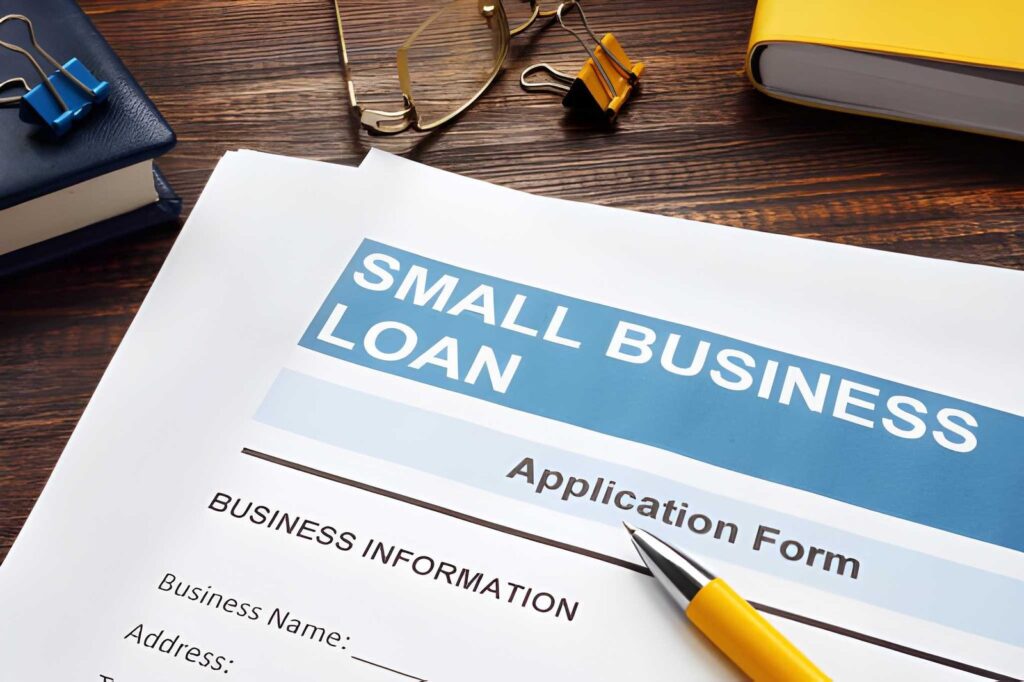
A small business plan is one of the most important tools when applying for SBA and bank loans. Lenders expect a clear, professional, and well-structured document that explains your business idea, financial outlook, and long-term strategy. Using the right small business plan template helps ensure your plan aligns with lender expectations while keeping the process organized and manageable.
Whether you are launching a new venture or expanding an existing company, a strong template provides structure, clarity, and confidence throughout the planning process.
Why a Business Plan Matters for SBA and Bank Loans
A business plan acts as a roadmap for both business owners and lenders. Banks and SBA lenders rely on standardized formats to evaluate risk, feasibility, and repayment ability. When your plan follows a clear structure, it becomes easier to review and understand.
Using a template also helps you present your business in a professional way. It ensures no important section is missed and that each part of the plan flows logically into the next.
Key benefits include:
- Clear organization of ideas
- Consistent formatting lenders recognize
- Strong focus on financial readiness
- Improved credibility and professionalism
What Lenders Expect From a Loan-Ready Business Plan
Lenders review hundreds of plans every year. A small business plan helps meet their expectations without confusion or guesswork. SBA and banks typically look for specific sections presented in a logical order.
They want to understand:
- What your business does
- How it makes money
- Who manages operations
- How the loan supports growth
When these points are clearly explained, lenders can quickly assess whether your business aligns with their lending criteria.
SBA Loan Requirements and Planning Structure
SBA lenders prefer plans that follow a traditional format. This includes an executive summary, market analysis, operations plan, and financial projections. A strong SBA template ensures each section addresses lender priorities clearly.
Traditional Bank Loan Review Criteria
Banks focus heavily on financial stability and operational clarity. A small business outline that includes realistic projections and defined processes helps build trust and transparency.
Overview of a Small Business Plan Template
A small business plan template provides step-by-step guidance to create a complete, lender-ready document. Instead of starting from scratch, business owners can follow a proven framework that covers all essential areas.
Templates are especially helpful for DIY business owners who want control over their plan while still meeting professional standards.
Typical sections include:
- Executive summary
- Company description
- Market analysis
- Products or services
- Marketing and sales strategy
- Operations plan
- Management overview
- Financial projections
Executive Summary Section Explained
The executive summary introduces your entire business plan. It gives lenders a snapshot of who you are and what you aim to achieve. Although it appears first, it is often written last to reflect the full plan accurately.
A strong executive summary includes:
- Business purpose and mission
- Overview of products or services
- Target market summary
- Financial highlights
This section sets the tone for the rest of the document and encourages lenders to read further.
Company Description and Business Overview
This section explains the foundation of your business. It outlines your legal structure, ownership, and operational goals. Lenders use this information to understand how your business is set up and where it is headed.
Important details to include are:
- Business structure and registration
- Ownership breakdown
- Location and operating model
- Long-term vision
Clear and simple language works best here.
Market Analysis and Industry Research
Market analysis shows that you understand your industry and customer base. It demonstrates demand for your offering and awareness of the competitive environment.
A strong market analysis includes:
- Target customer profile
- Industry trends
- Market size and opportunity
- Competitive positioning
This section builds confidence by showing that your business decisions are research-based.
Defining Your Target Market
Clearly describe who your customers are and why they choose your product or service. This helps lenders see how revenue will be generated consistently.
Understanding Your Competitive Landscape
A simple overview of competitors helps highlight your unique value while showing market awareness.
Products and Services Description
This section focuses on what your business offers. Lenders want to understand how your products or services solve customer needs and create value.
Key points to cover include:
- Description of products or services
- Key benefits to customers
- Delivery or fulfillment process
- Future offerings
Clarity is more important than technical detail.
Marketing and Sales Strategy
A marketing and sales strategy explains how customers will find your business and make purchases. It does not need to be complex, but it should be realistic and aligned with your market.
Common elements include:
- Branding approach
- Marketing channels
- Sales process
- Customer retention methods
This section reassures lenders that revenue growth has been thoughtfully planned.
Operations Plan and Business Workflow
The operations plan explains how your business runs day to day. It covers facilities, staffing, suppliers, and systems used to deliver products or services efficiently.
Important areas to outline include:
- Business location and facilities
- Equipment or technology
- Suppliers and vendors
- Daily workflow
A clear operations plan supports operational feasibility.
Management and Organizational Structure
Lenders value strong leadership. This section highlights the people responsible for running the business and their relevant experience.
Include information about:
- Owners and key managers
- Roles and responsibilities
- Advisors or consultants
Working with experienced business plan experts can also help ensure this section is presented professionally and clearly.
Financial Projections and Key Statements
Financial projections translate your business plan into numbers. They help lenders evaluate sustainability and repayment ability.
A small business plan typically includes:
- Income statements
- Cash flow projections
- Balance sheets
- Financial assumptions
Accuracy and consistency across these statements are essential.
How a Small Business Plan Supports DIY Business Owners
DIY business owners often prefer hands-on involvement in planning. A structured template guides without limiting flexibility.
Benefits for DIY business owners include:
- Clear prompts for each section
- Reduced planning stress
- Improved organization
- Greater confidence during loan applications
A well-designed template balances independence with professional structure.
Using Your Business Plan as a Long-Term Tool
A business plan is more than a loan requirement. It is a living document that can guide decisions, track progress, and support growth.
By updating your small business outline regularly, you can:
- Adjust strategies as markets change
- Track financial performance
- Plan future expansion
- Stay aligned with business goals
Templates make updates easier and more consistent over time.
Choosing the Right Template for SBA and Bank Loans
Not all templates are created equal. The best small business plan service aligns with lender expectations while remaining easy to use.
Look for templates that offer:
- Clear section guidance
- Logical structure
- Lender-focused formatting
- Flexibility for customization
This balance helps ensure both clarity and completeness.
Final Thoughts on Creating a Lender-Ready Business Plan
A well-structured business plan is a powerful asset when applying for SBA and bank loans. It improves clarity, organization, and professionalism while helping lenders evaluate your business effectively.
With the right structure and expert guidance, business owners can confidently present their vision and financial readiness.
Ready to Prepare a Lender-Approved Business Plan?
If you want to move forward with confidence, work with our team to create a professionally prepared business plan tailored specifically for SBA or bank loan approval. Our business plan writers ensure your document meets all requirements, includes accurate financial projections, and presents your business in the strongest possible light.
Speak with our experts today to get a lender-ready plan built for approval and long-term success.
FAQ
A small business plan is a structured framework that helps business owners organize and present their ideas, operations, and financials clearly.
Lenders use business plans to evaluate feasibility, risk, and repayment ability before approving loans.
Yes, templates are ideal for DIY business owners because they provide guidance while allowing customization.
Length varies, but clarity, completeness, and financial detail matter more than page count.